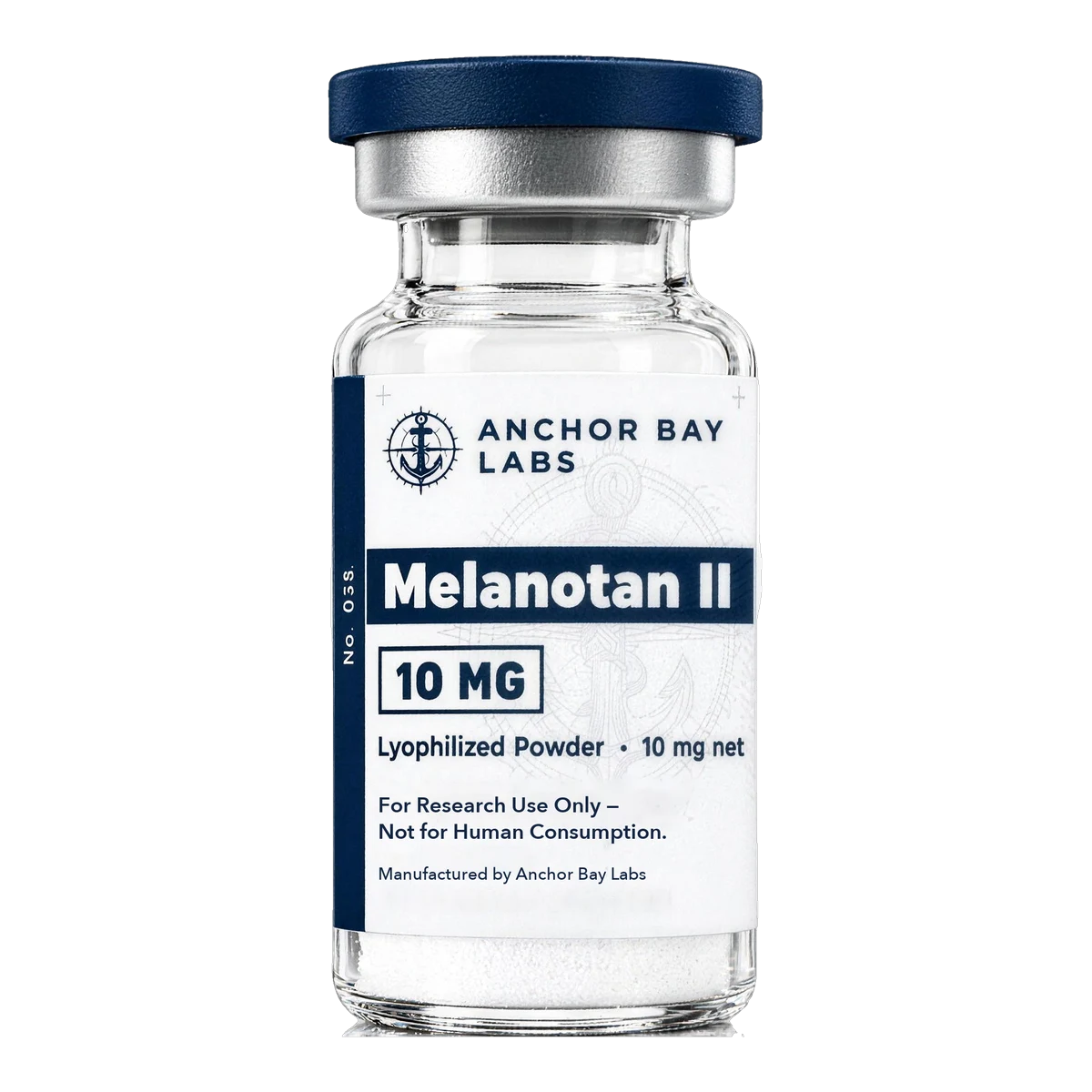
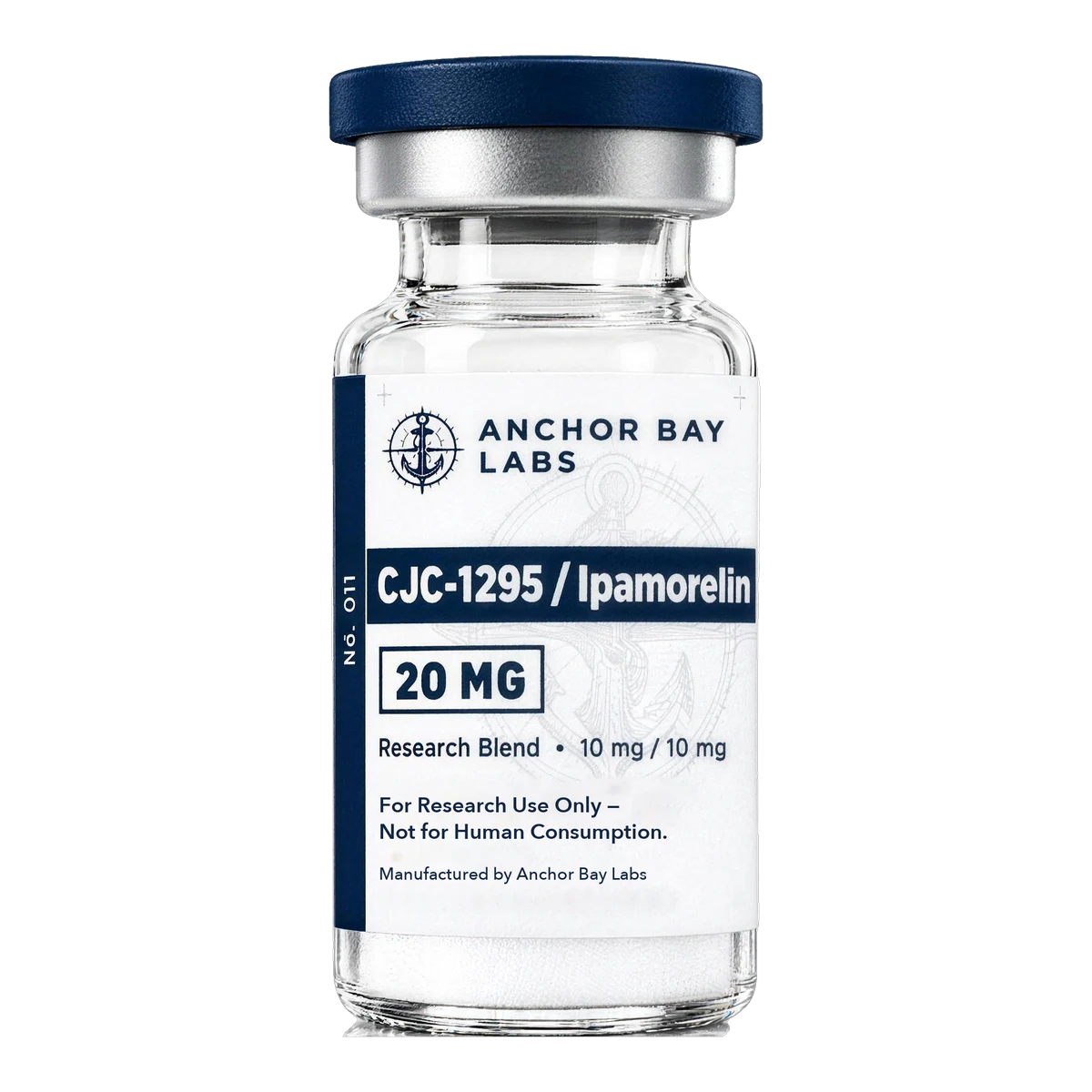
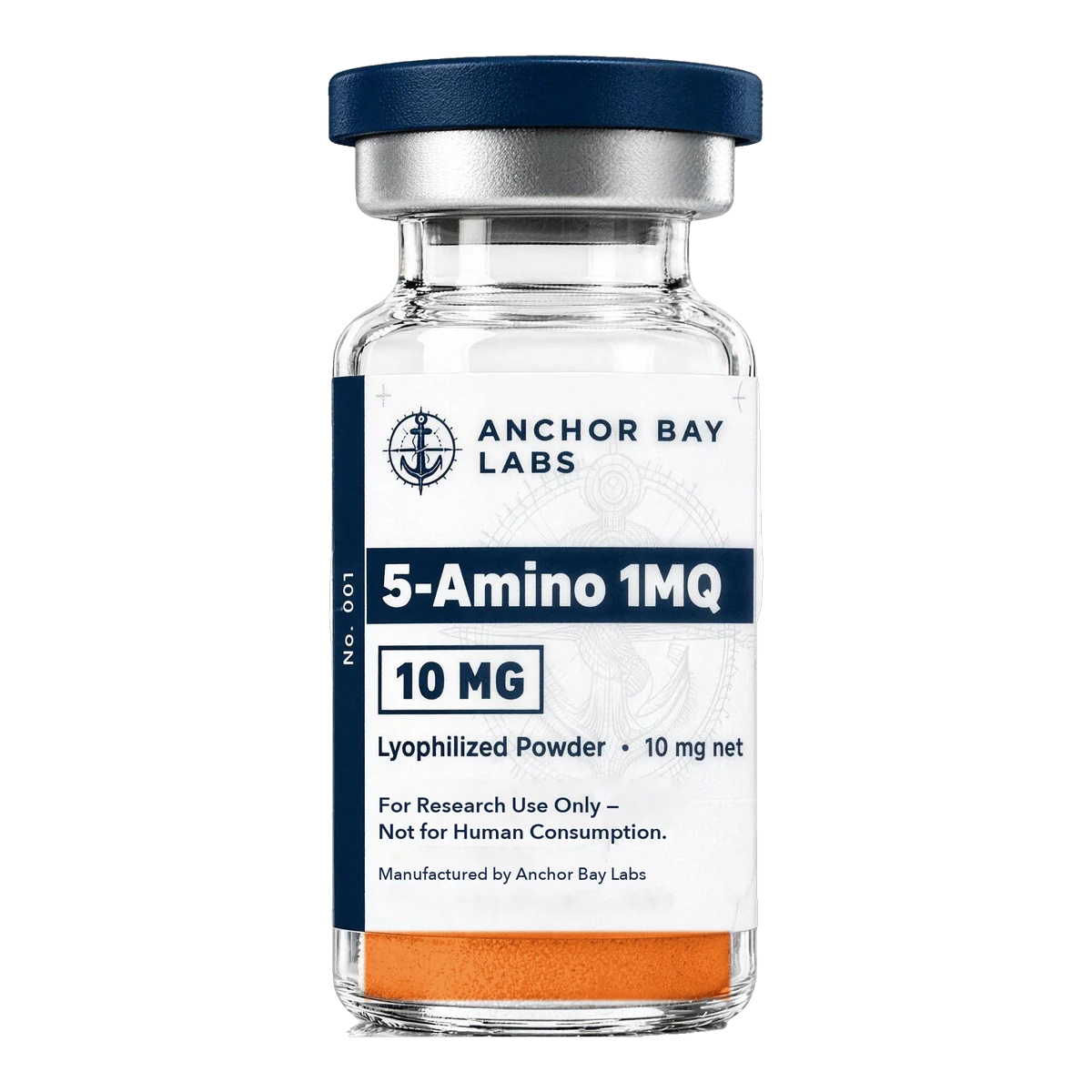
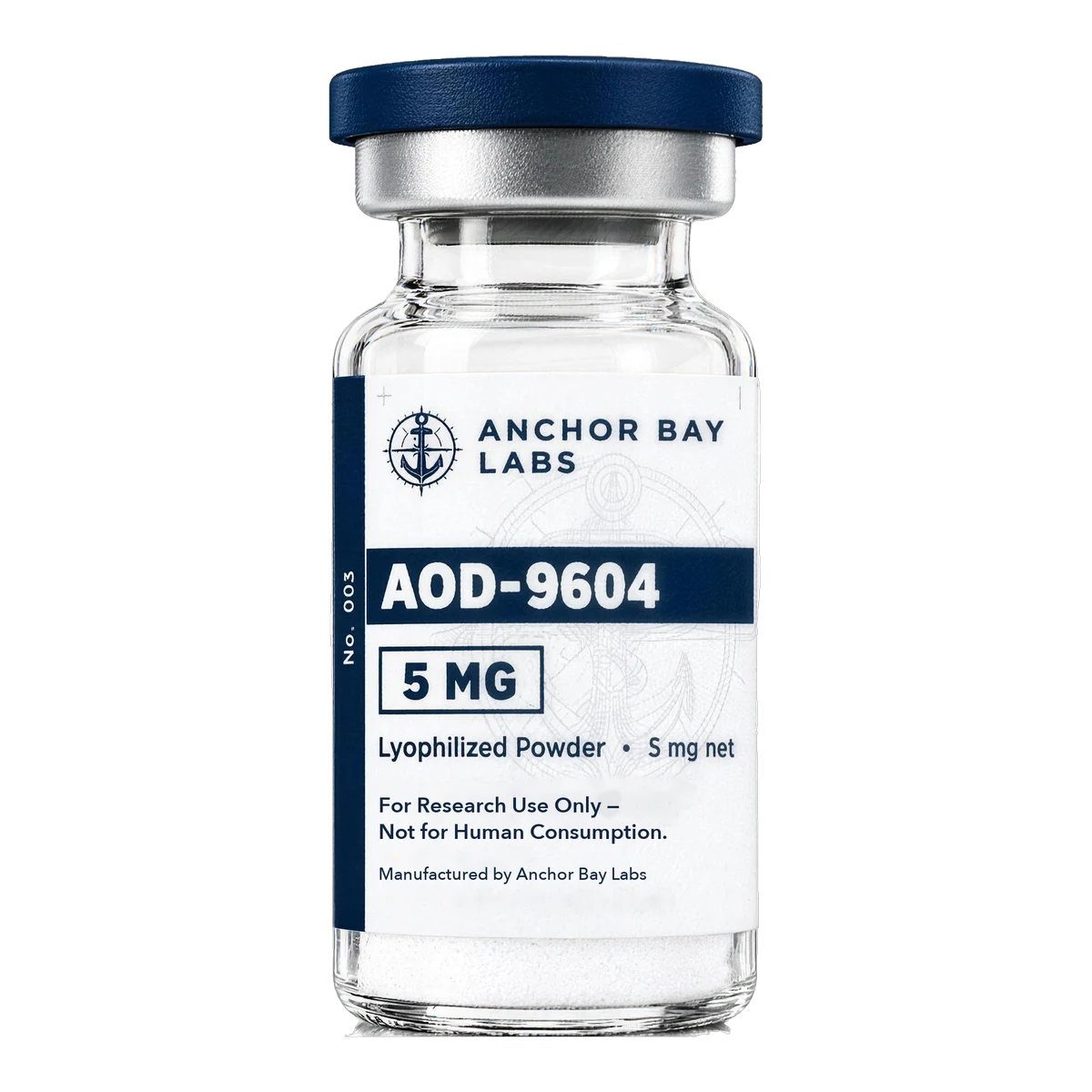
ANCHOR BAY LABS
What peptides are
A peptide is a short chain of amino acids joined by peptide bonds, usually somewhere between two and fifty residues long. Proteins are built from the same building blocks but run much longer and fold into elaborate three-dimensional structures. Peptides sit in between a single amino acid and a full protein, and that intermediate size gives them a character of their own: small enough to synthesize precisely, large enough to carry real structural information.
Biology uses peptides everywhere. Hormones, neurotransmitters, antimicrobial defenses and intercellular messengers all include peptide-based compounds; insulin, oxytocin and the endorphins are familiar examples. Because they turn up in so many systems, from immune regulation to tissue signaling, peptides have held the attention of researchers across many disciplines for decades.
Why peptides matter in biomedical research
The main reason peptides are useful on the bench is selectivity. A peptide can be chosen or designed to engage one receptor, one enzyme or one pathway with relatively little off-target activity, which makes it possible to study a single mechanism without the noise that broader small molecules can introduce.
They are also easy to vary. Changing the sequence, the length, the cyclization or a chemical modification produces analogs with different binding, stability or selectivity. That tunability makes peptides valuable both as probes and as a way to map structure-activity relationships one change at a time.
Peptides as signaling molecules
Many research peptides are messengers. A signaling peptide binds a specific receptor on the surface of a target cell, and that binding sets off a cascade inside the cell. The precision of the interaction comes from the peptide's sequence and its folded shape, which is why small sequence changes can produce large differences in behavior.
This receptor-mediated model underlies a great deal of peptide research. By pairing a defined sequence with a defined receptor, investigators can trace pathways, identify regulatory checkpoints and see how a system coordinates complex responses such as matrix remodeling, hormone release or immune activation.
Why mechanism-based categorization matters
As the list of research-relevant peptides has grown, alphabetical catalogs have become harder to use. A researcher rarely starts from a compound name; they start from a pathway or a system. Grouping peptides by the mechanism they are primarily investigated for mirrors that way of working and makes related compounds easier to find.
Anchor Bay Labs organizes its catalog into five research categories: Tissue, Cellular, Neural, Metabolic and Endocrine. Each category collects compounds that share mechanistic relevance based on how they are characterized in the literature, so the catalog can be navigated by pathway and system rather than by name alone.
The expanding landscape of peptide research
Peptide research has expanded steadily for two decades. Publication counts rise year over year across endocrinology, neuroscience, oncology, immunology and the biology of aging, helped along by better synthesis chemistry, better analytical methods and better delivery systems. Peptides are simply more accessible as research tools than they used to be.
That growth has a cost: more suppliers, with wide variation in quality and documentation. For a researcher, the compound and its paperwork are inseparable. Purity data, identity confirmation, lot traceability and clear labeling are not extras; they are what makes a result reproducible.
Sourcing quality and research integrity
The integrity of a peptide study is only as good as the material in the vial. A purity claim with no analytical data behind it, a certificate reused across batches, or a vial shipped without a lot number each add a variable that can quietly undermine reproducibility. When evaluating a supplier, look for batch-specific Certificates of Analysis, independent verification by HPLC and mass spectrometry, clearly printed lot numbers and transparent sourcing.
Every Anchor Bay Labs compound is designated Research Use Only and supplied exclusively for qualified laboratory research. Nothing in this catalog is intended for human or veterinary use, diagnosis or treatment.