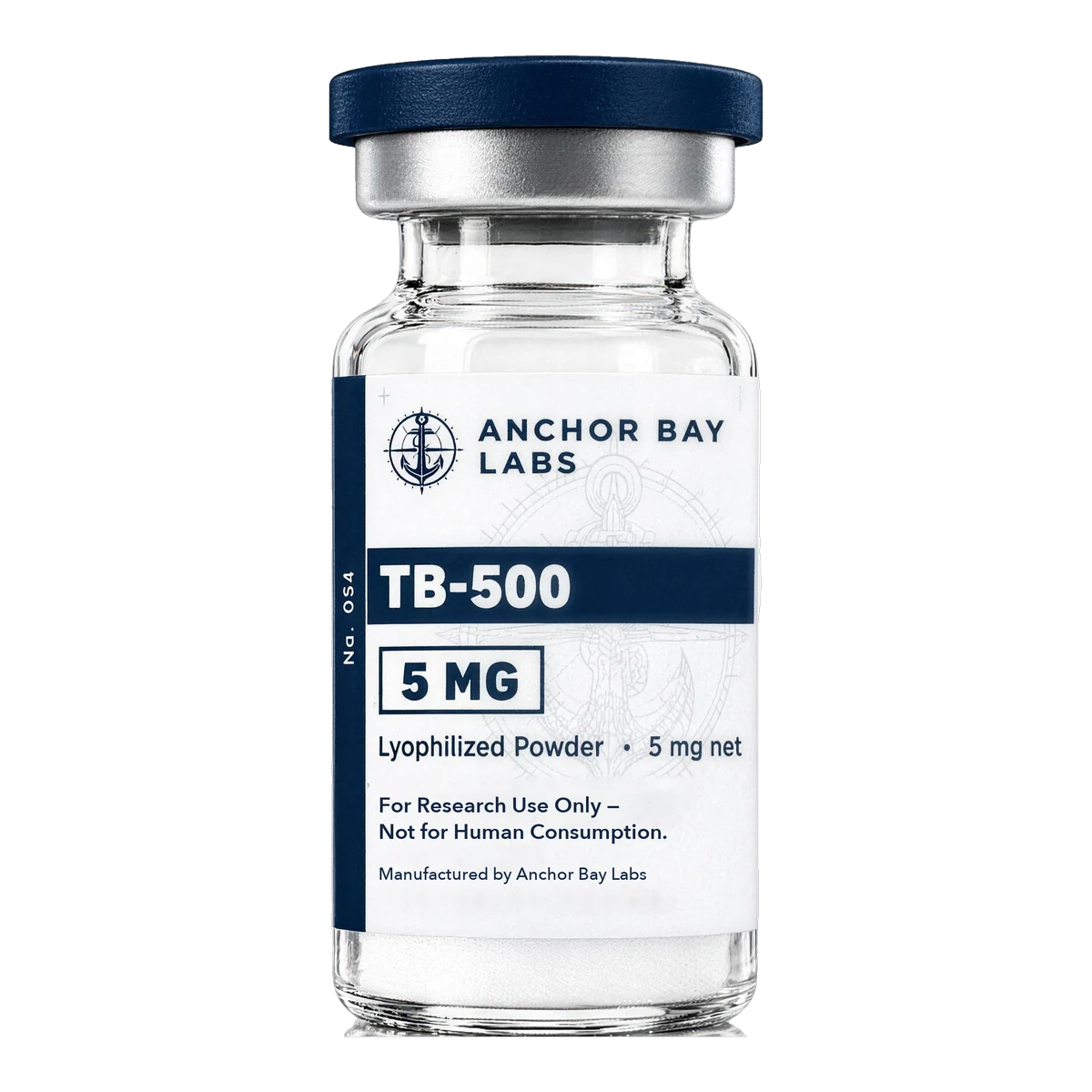
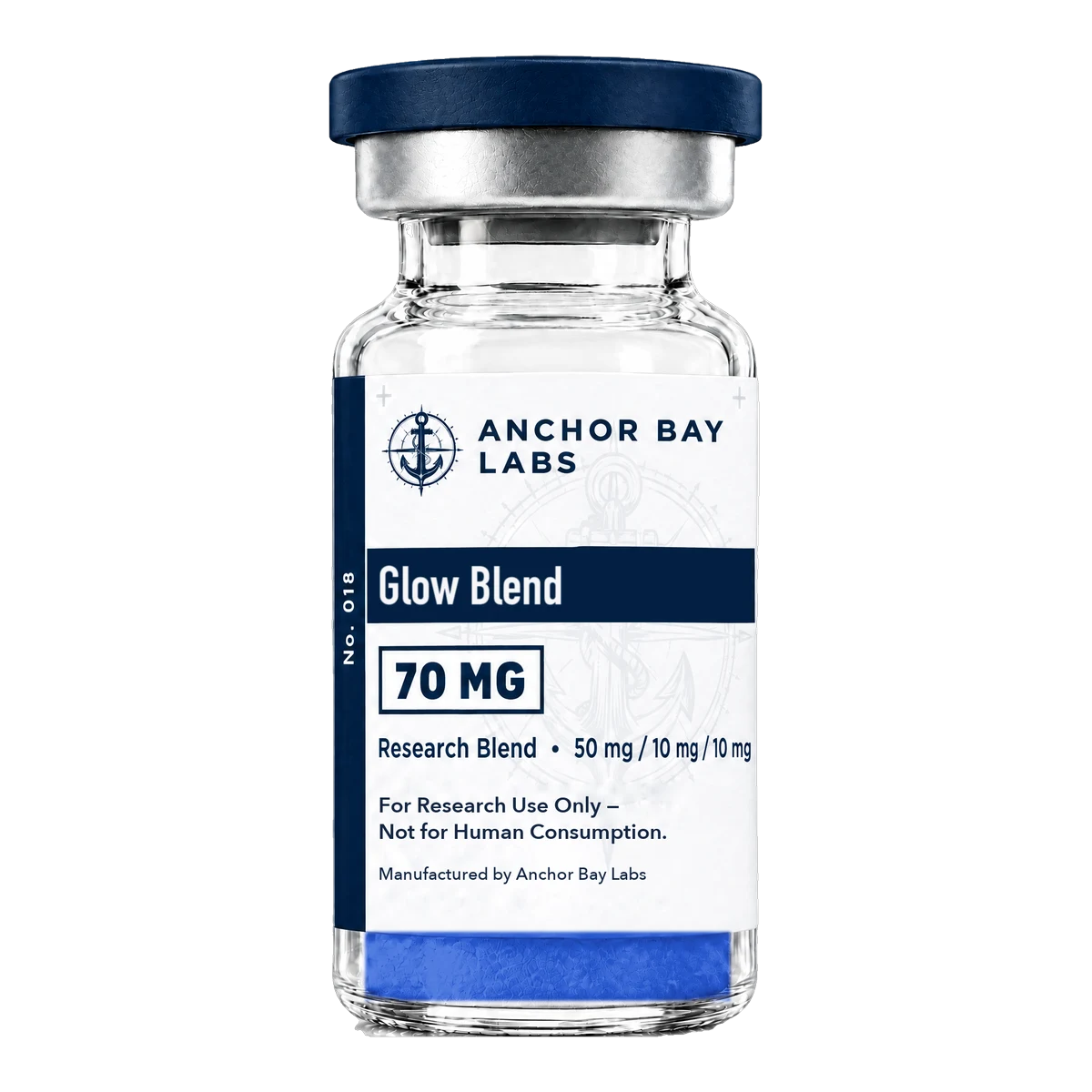
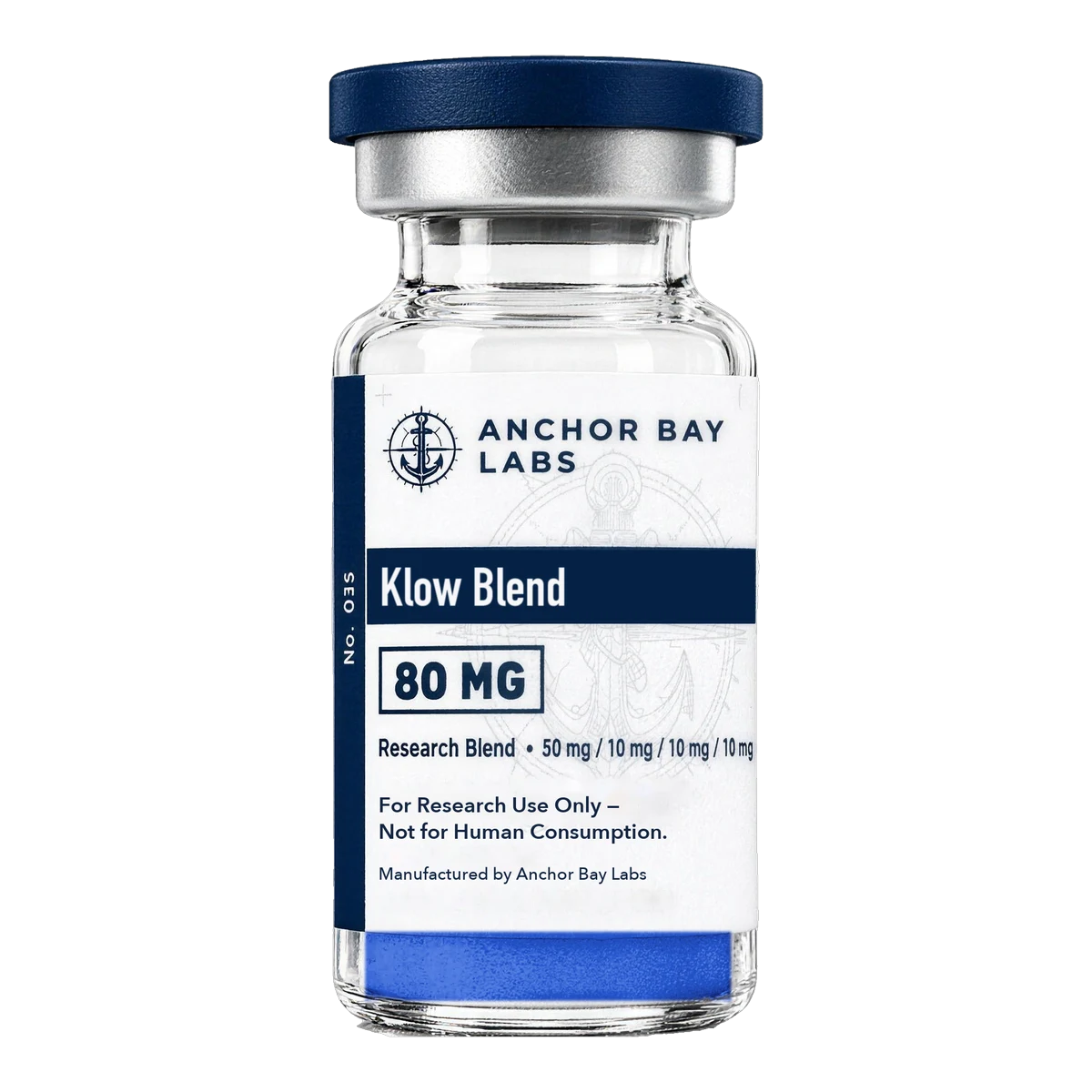
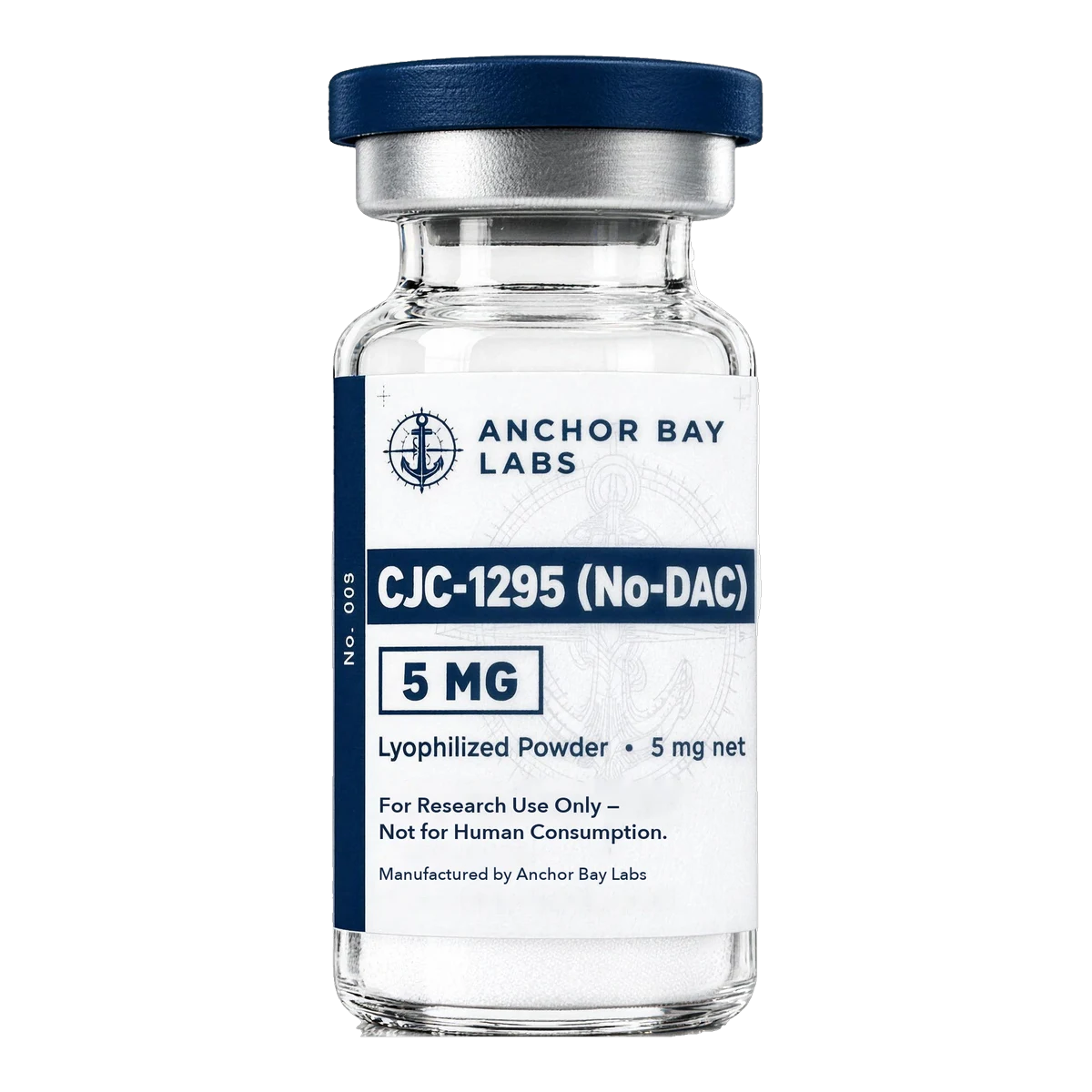
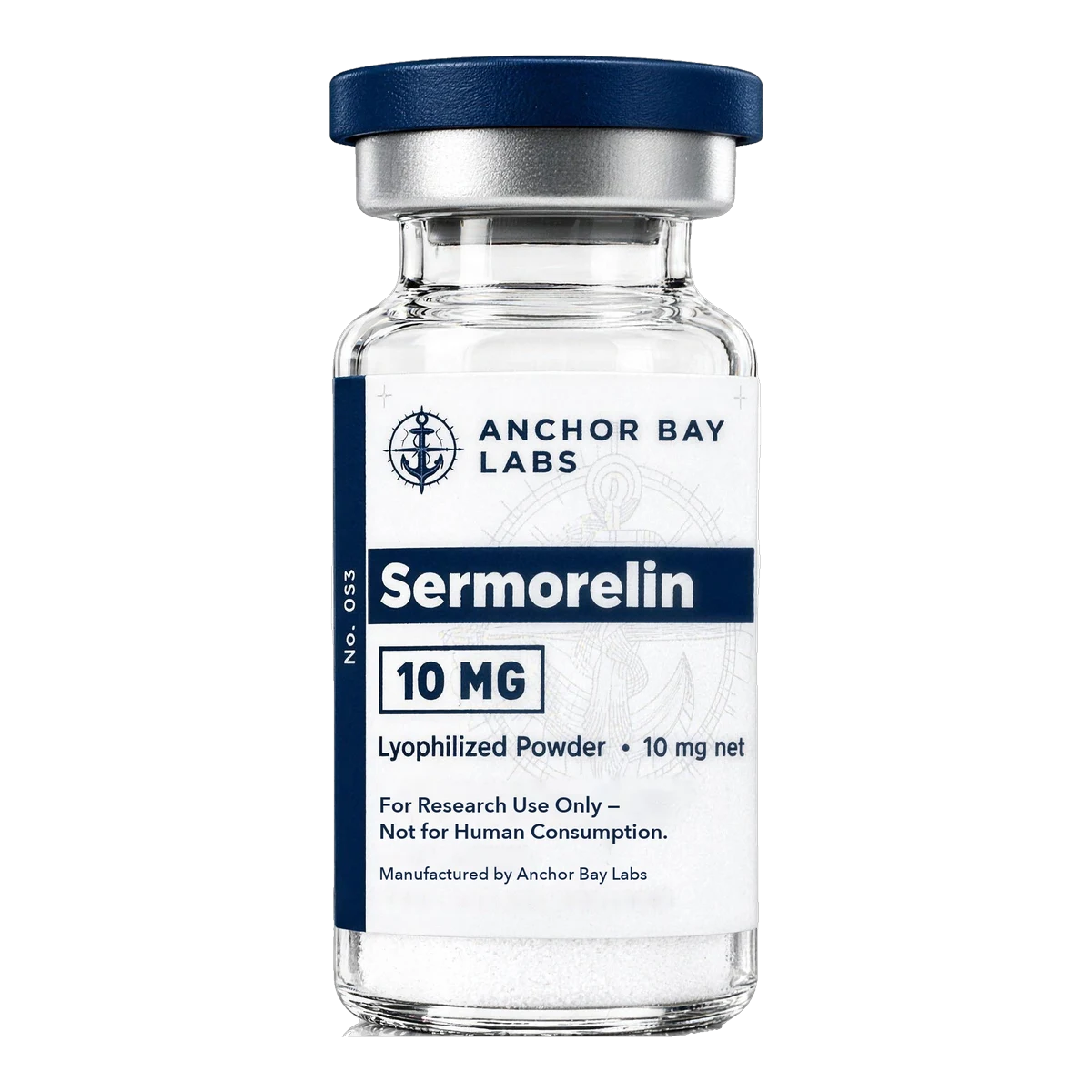
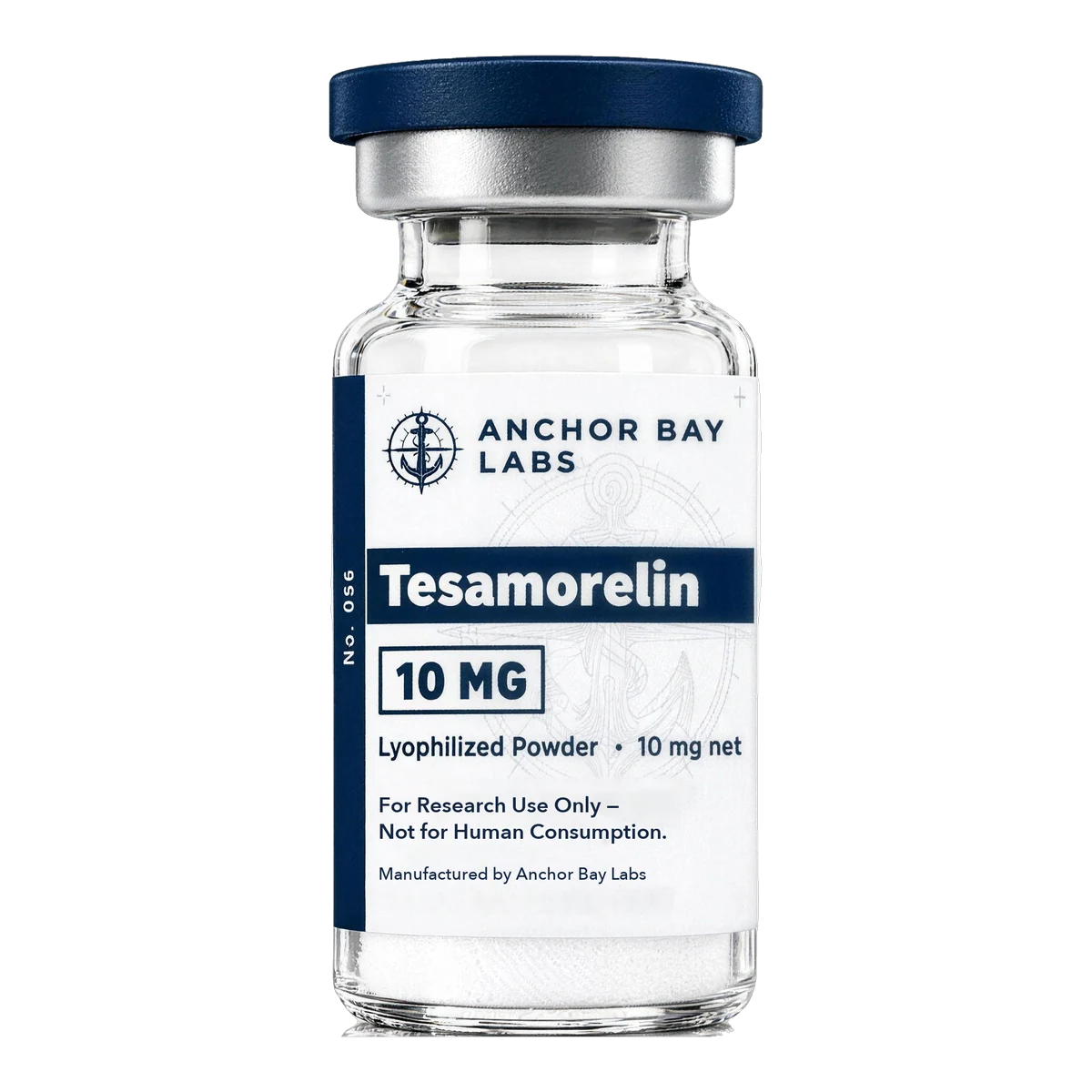
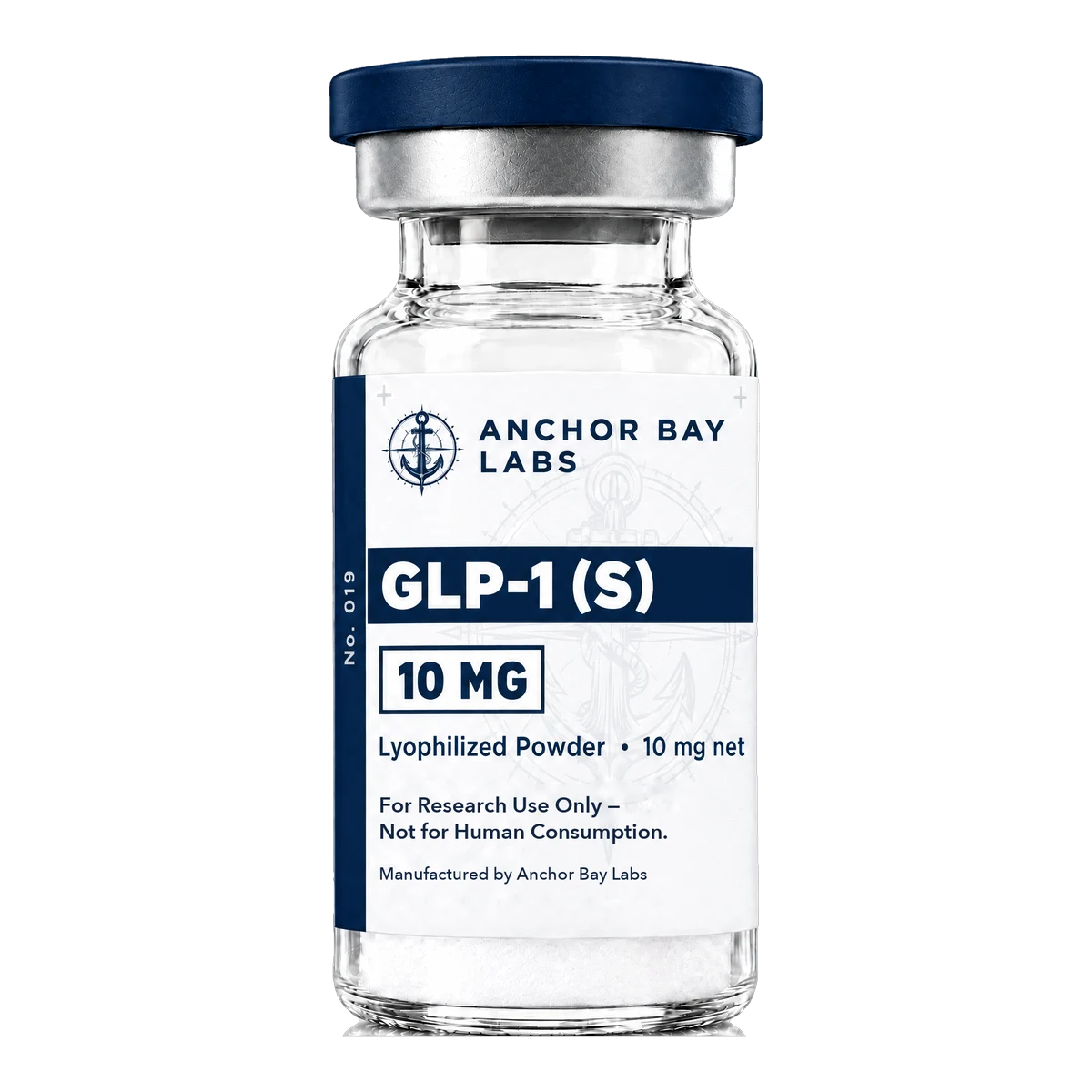
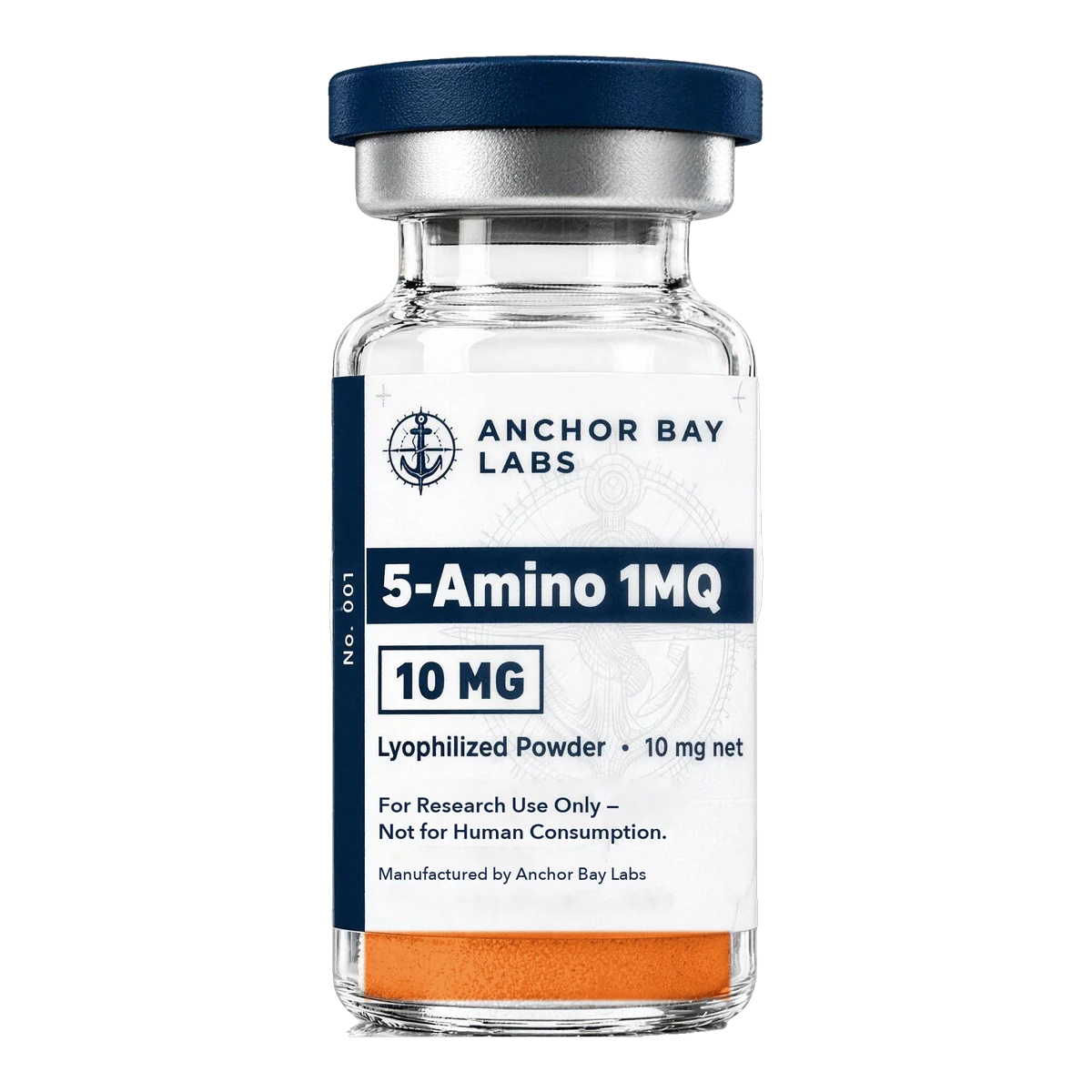
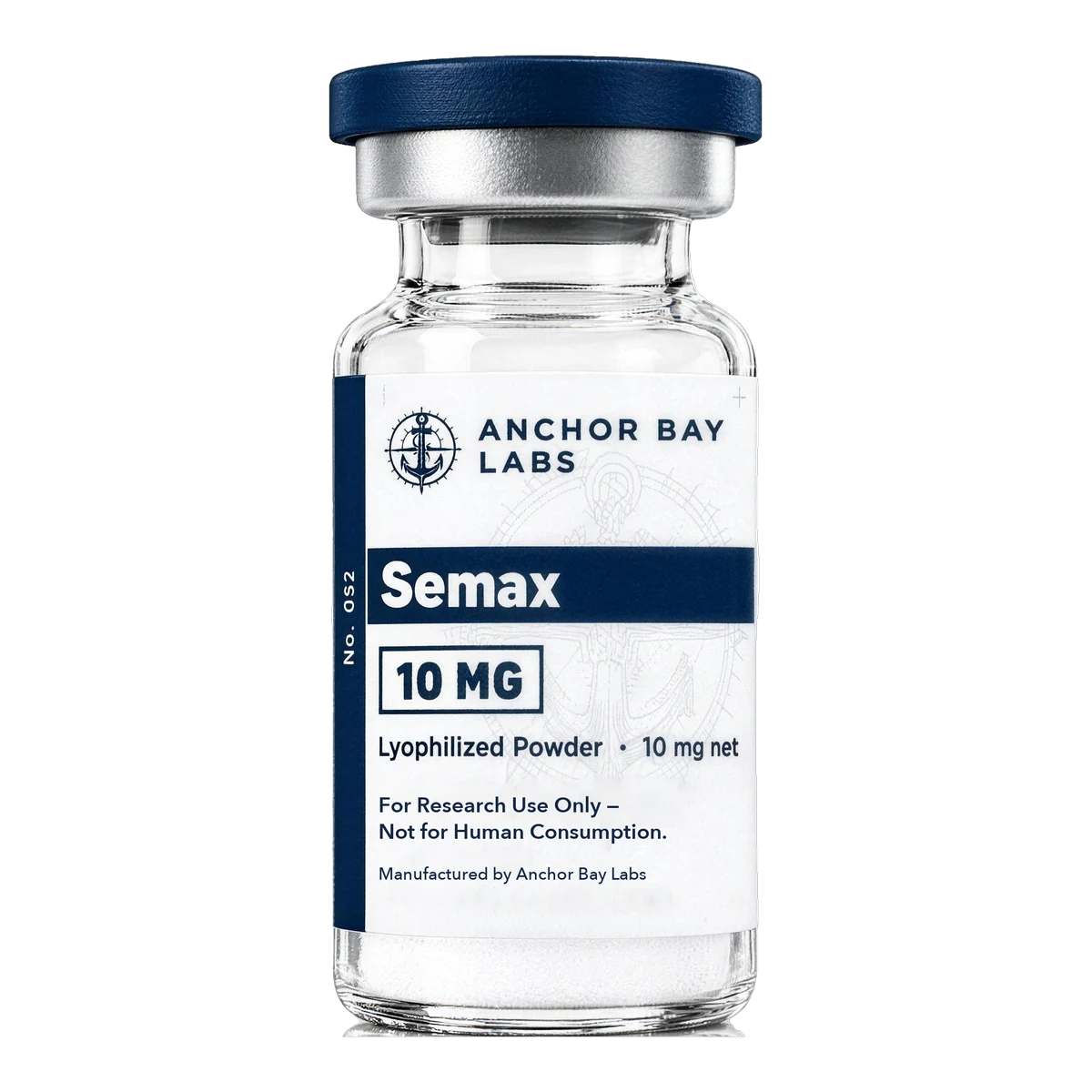
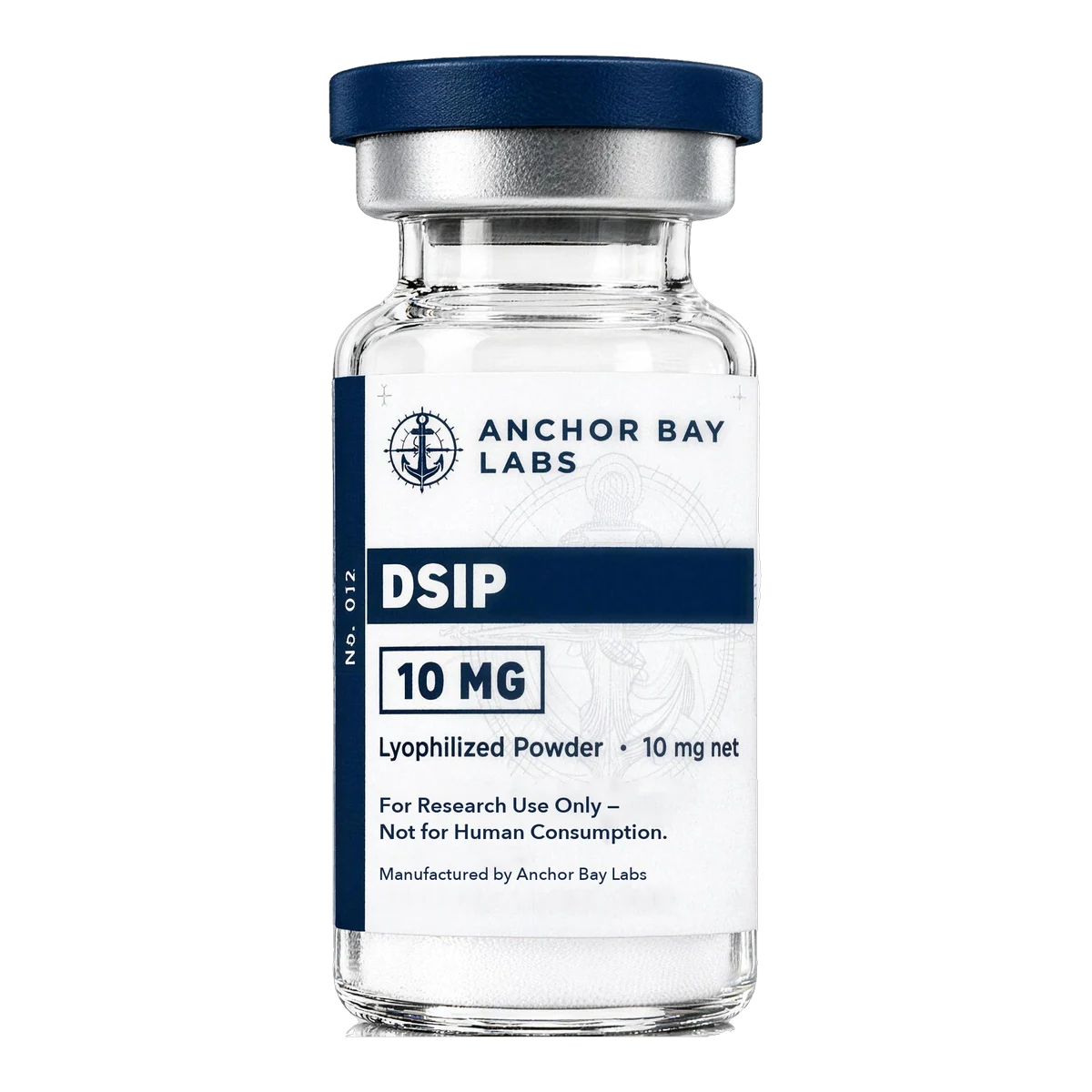
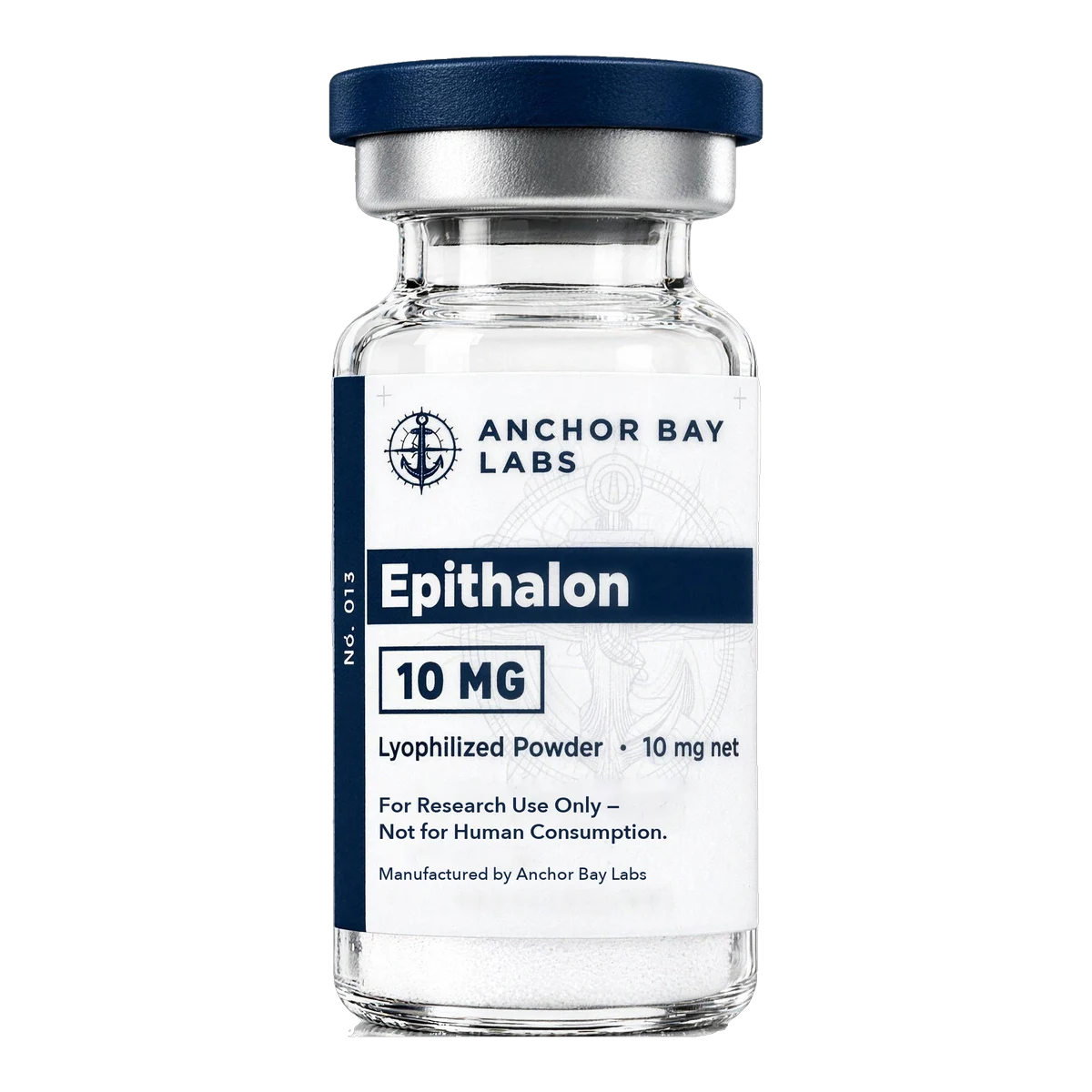
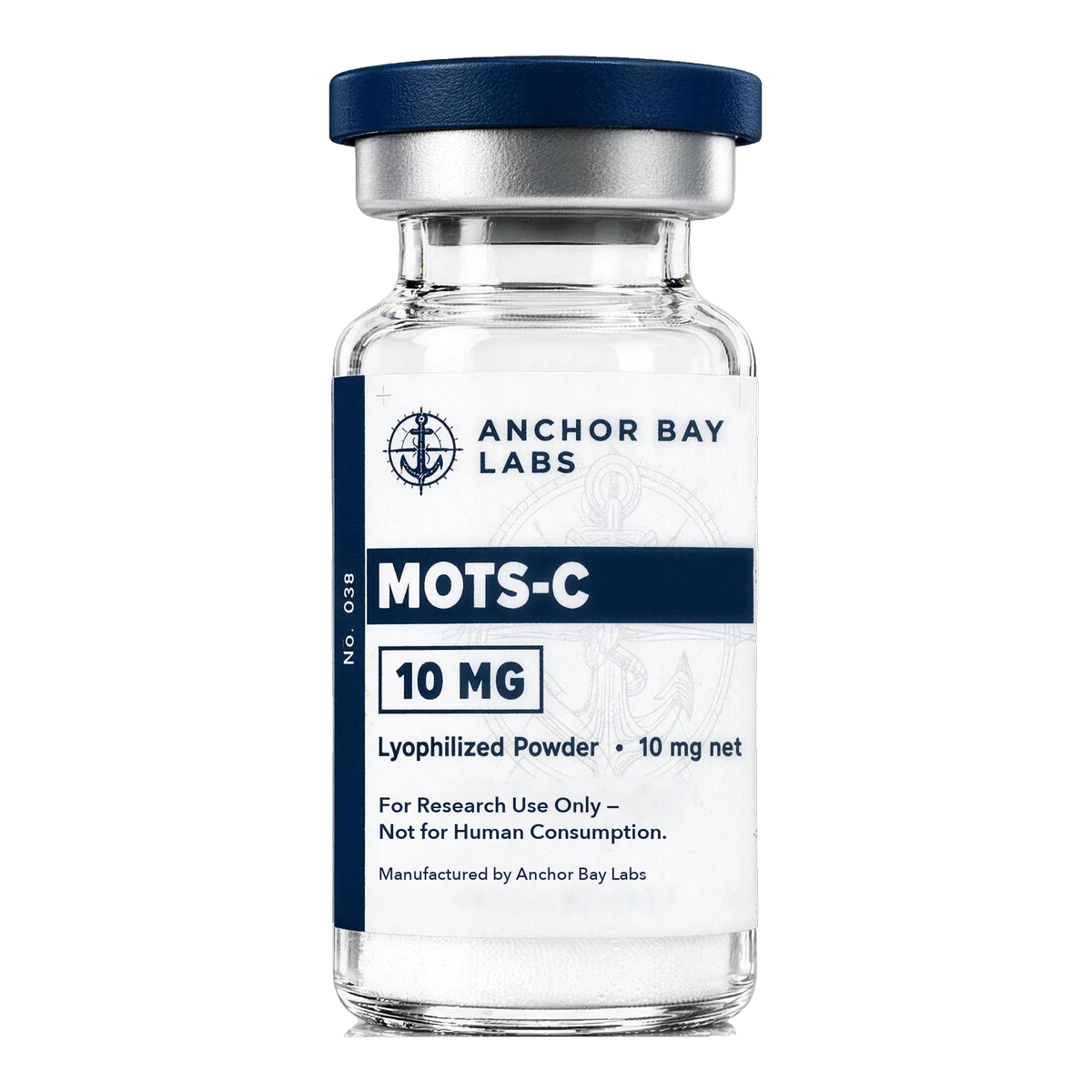
ANCHOR BAY LABS
What "research grade" actually means
Research grade is used everywhere in the peptide supply market and defined almost nowhere. In practice it should mean three things: the compound was synthesized to a stated purity specification, that specification was confirmed by analytical testing, and the paperwork that proves it travels with the vial. The useful distinction is between suppliers who define and verify their standard and suppliers who use the phrase as decoration.
For research peptides the reference threshold is ≥99% purity by HPLC. Clearing it means at least 99% of the material in the vial is the target sequence, with no more than 1% made up of synthesis by-products such as truncated or deletion sequences and residual solvent.
HPLC verification explained
High-performance liquid chromatography is the standard way to measure peptide purity. A sample is pushed through a packed column under pressure, its components separate by how they interact with the column, and each one leaves at a characteristic retention time. The chromatogram that results is a picture of the sample: the target peptide as the dominant peak, impurities as smaller peaks elsewhere.
A ≥99% HPLC result means the area under the target peak is at least 99% of the total peak area. It is a measurement, not an estimate. The certificate states the specification each lot was tested against, and Anchor Bay Labs certificates report the ≥99% HPLC specification on every lot.
Certificates of Analysis: what they contain and why batch specificity matters
The Certificate of Analysis is the primary quality document for a research compound. A complete one carries the compound name, the lot number, the synthesis date, the purity figure with the method stated, identity confirmation by mass spectrometry (observed versus expected molecular weight), the appearance of the lyophilized material, storage conditions and a retest or expiry date.
Batch specificity is the whole point. Every synthesis run is its own batch with its own purity and impurity profile, so a certificate from one lot says nothing reliable about another. Reusing certificates across lots, which does happen in parts of the market, defeats the purpose of having them. The lot number on the certificate should match the lot number on the vial, every time.
Lot traceability
Traceability means a compound's history can be followed from raw material through synthesis, purification, testing and packaging. A real lot number is more than an inventory code: it ties one vial to one production run, one set of analytical results and one point on the manufacturing timeline.
That link pays off in practice. It lets a researcher compare results across lots, spot batch-to-batch variation, cite sourcing in a publication or submission, and go back to the analytical record when an experiment behaves unexpectedly.
Lyophilization and compound stability
Lyophilization, or freeze-drying, turns a purified peptide solution into a dry, stable powder by removing water under vacuum at low temperature. Done well, it leaves an intact cake that resists degradation in storage and transit and keeps for extended periods at room temperature when protected from light and moisture.
Done poorly, it shows: material that does not dissolve cleanly, degrades faster, or carries residual moisture that speeds breakdown. Clear storage guidance from the supplier is part of the quality picture, not an afterthought.
What to look for in a supplier
Start with documentation access. Can you read the certificate before you buy? Is it specific to the lot you will receive? Does it carry real analytical data rather than a checked box? Suppliers who publish their data openly, without an account wall or a purchase first, are showing confidence in their own quality.
Then look at naming precision (plain compound names, not marketing labels), manufacturing transparency (where synthesis happens) and consistency (the same standard across the whole catalog). The difference between a research supplier and a reseller usually comes down to whether documentation is treated as the product or as packaging. All Anchor Bay Labs compounds are designated Research Use Only and are not intended for human or veterinary use.